
There will only ever be 21 million bitcoin, and just over 20 million already exist. So who holds them?
The short answer: an anonymous founder, a few big exchanges holding coins for their customers, a public company, a handful of investment funds, and governments that seized their coins in criminal cases. The rest is spread across millions of ordinary wallets.
Every figure below is an estimate from public blockchain data and company filings, as of the date noted. Bitcoin holdings change daily, so treat these as a snapshot.
The biggest Bitcoin holders in 2026
| Holder | Type | Approx. BTC | Share of 21M |
|---|---|---|---|
| Satoshi Nakamoto | Founder (estimated) | 1,000,000 to 1,100,000 | about 5% |
| Coinbase | Exchange and custodian | 980,000 | 4.7% |
| Strategy | Public company | 846,000 | 4.0% |
| BlackRock iShares Bitcoin Trust | ETF | 750,000 | 3.6% |
| Binance | Exchange | 705,000 | 3.4% |
| Fidelity | Custodian | 433,000 | 2.1% |
| US government | Government | 325,000 | 1.5% |
Sources: Arkham Intelligence (August 2026) and bitcointreasuries.net (September 2026, Strategy).
One caution before you add these up: the rows overlap. Coinbase is the custodian for much of the Bitcoin that ETFs hold, and Fidelity custodies some of Strategy's coins. The same bitcoin can show up under two names.

Satoshi Nakamoto
Bitcoin's creator is still its largest holder. Researchers estimate Satoshi mined roughly 1 million to 1.1 million bitcoin in the network's first year, spread across thousands of early addresses. Estimates vary because nobody can prove which early coins were Satoshi's.
None of those coins have ever moved. Nobody knows who Satoshi is, whether one person or a group, and Satoshi stopped communicating publicly in 2011.
Exchanges and custodians
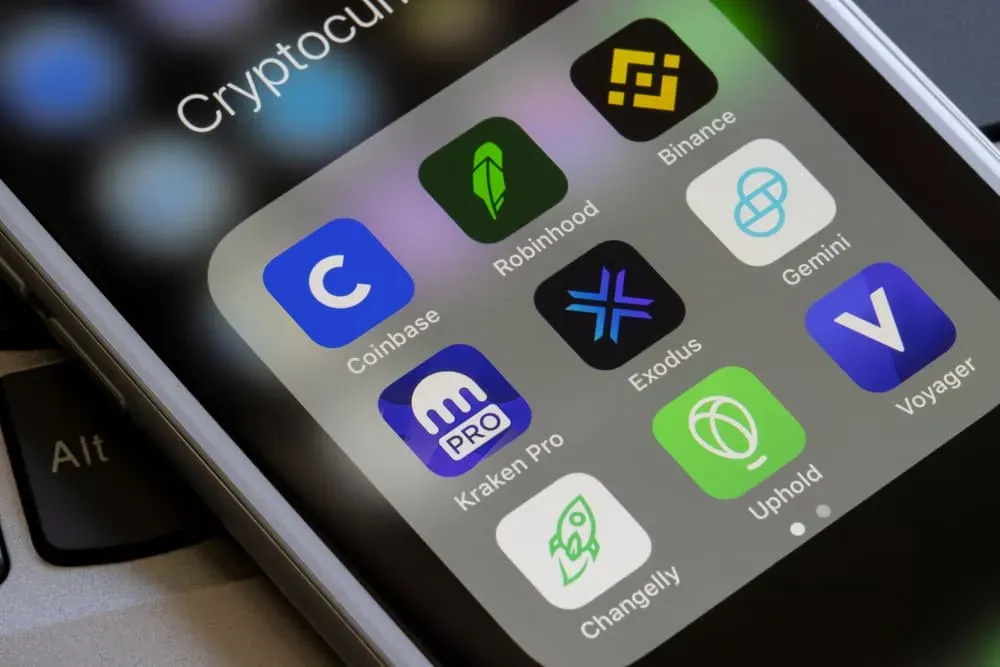
The biggest wallets on the blockchain mostly belong to exchanges like Coinbase and Binance. Those coins aren't the exchanges' own money. They belong to millions of customers whose Bitcoin sits in the exchange's custody.
That's why rich lists can overstate how concentrated Bitcoin is. One exchange address can represent millions of people. It's also the main difference between leaving Bitcoin on an exchange and sending it to a wallet where you hold the keys.
Companies
Strategy (formerly MicroStrategy) has made buying Bitcoin its core business. It holds about 846,000 BTC as of September 2026, according to bitcointreasuries.net, far more than any other public company.
Public companies hold more than 1.2 million BTC in total. After Strategy, the largest include Twenty One Capital (about 43,500 BTC), Metaplanet (about 43,000), and the miner MARA Holdings (about 35,600).
Tesla holds 11,509 BTC, a balance it has reported unchanged since 2022.
ETFs and funds
Spot Bitcoin exchange-traded funds (ETFs) launched in the US in January 2024. They let people get Bitcoin exposure through a regular brokerage account, and they grew fast. ETFs and similar funds hold about 1.5 million BTC combined, roughly 7% of the supply.
BlackRock's iShares Bitcoin Trust is the largest, at roughly 750,000 BTC. Fidelity's fund is the next biggest.
Governments
Most government Bitcoin wasn't bought. It was seized.
- United States: roughly 325,000 BTC, mostly from criminal cases. A March 2025 executive order created a Strategic Bitcoin Reserve, so the government now holds seized Bitcoin instead of auctioning it.
- United Kingdom: about 61,000 BTC, from a single fraud case.
- China: seized about 194,000 BTC in the PlusToken case. It isn't publicly known whether China still holds them.
- Bhutan: about 10,000 BTC, mined with the country's hydropower.
- El Salvador: about 7,000 BTC, bought as national policy.
You may have seen older claims that Bulgaria holds more than 200,000 bitcoin. Current trackers don't list any such holding, and there's no public evidence for it.
Individuals
Most individual holders are anonymous, so rich lists can only name people who have spoken publicly. The Winklevoss twins, who founded the exchange Gemini, are reported to hold about 70,000 BTC.
Everyone else
An estimated 1.6 million bitcoin are permanently lost, in wallets whose keys are gone. What's left is spread across millions of ordinary people.
You don't need a whole bitcoin to own some. A bitcoin divides into 100 million units called satoshis, and you can buy any amount. At a Bitstop ATM the minimum is $10: here's how to use a Bitcoin ATM, or find one near you.
As with any asset, research before you buy, and only put in what you can afford to lose. Bitcoin's price can move sharply in either direction.
Sources
- Bitcoin Treasuries: public company holdings (September 2026)
- Arkham Intelligence: Who owns the most Bitcoin: entity holdings (August 2026)
- River: Who owns the most bitcoin: ownership by category and lost-coin estimate (December 2025)
- CoinDesk: Bitcoin supply approaching 20 million (January 2026)
FAQ
Who owns the most Bitcoin?
Satoshi Nakamoto, Bitcoin's anonymous creator, is estimated to hold roughly 1 million to 1.1 million BTC in wallets that have never moved. Among identified organizations, the largest holders are Coinbase (for its customers), Strategy, BlackRock's iShares Bitcoin Trust, Binance, and the US government.
Which company owns the most Bitcoin?
Strategy (formerly MicroStrategy) holds about 846,000 BTC as of September 2026, according to bitcointreasuries.net. That's far more than any other public company.
Which country owns the most Bitcoin?
The United States, with roughly 325,000 BTC, mostly seized in criminal cases. A March 2025 executive order created a Strategic Bitcoin Reserve to hold those coins instead of selling them.
How much Bitcoin is there?
The supply is capped at 21 million. The 20 millionth bitcoin was mined in March 2026, and roughly 450 new bitcoin are mined each day. An estimated 1.6 million bitcoin are thought to be permanently lost.
Do I need to buy a whole bitcoin?
No. A bitcoin divides into 100 million units called satoshis. At a Bitstop ATM, you can buy any amount from $10.
Bitstop provides access to digital assets. Nothing here is investment advice, a price prediction, or a guarantee of value. Holdings figures are third-party estimates as of the dates noted and change often. Availability, limits, and pricing vary by state and location.